


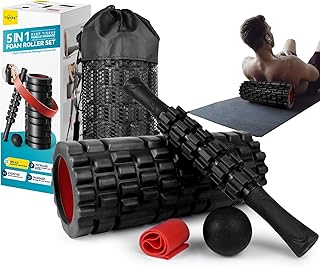


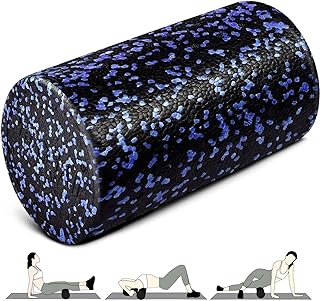


The bottom line
High-volume self-myofascial release market with strong demand for physical therapy and trigger point therapy positioning.
Where the demand lives
421.1k monthly searchesPut in your title
Lead with 'Foam Roller' as your primary anchor, then layer in either 'Trigger Point' or 'Physical Therapy' as your secondary differentiator. Avoid generic 'roller' alone—pair it with a functional benefit (e.g., 'Foam Roller for Back Pain' or 'Trigger Point Foam Roller'). Front-load the title with the problem-solution angle that matches your product's core feature.
Spread across your bullets
- Trigger Point Therapy & Myofascial Release
- Physical Therapy & Back Pain Relief
- Muscle Recovery & Flexibility
Don't bother with
Avoid chasing niche branded terms like 'TriggerPoint Grid' or 'Roller Pro'—these are competitor-owned. Skip yoga and athlete recovery angles unless your product explicitly targets those segments; stick to the high-volume physical therapy and muscle tension relief positioning.
More context
Self-Myofascial Release Rollers and Grid foam roller variants dominate the market with 148,616 combined monthly searches, establishing foam rolling as the core category. The most actionable differentiator lies in Foam Density & Material Types and specialty positioning within Myofascial Release Tools, where sellers can compete on product innovation rather than broad category saturation. The must-band clusters (Self-Myofascial Release Rollers, Grid foam roller variants, Myofascial Release Tools, and Foam Density & Material Types) represent concentrated, high-intent demand totaling 250,131 searches, while diff-band clusters are more dispersed across recovery niches like Trigger Point Therapy Tools and Handheld Massage Tools. Skip the generic skip-band clusters entirely, as they lack sufficient volume and specificity to justify inventory investment.